
Understanding the Importance of Antivirus Protection
- Jady Wilcos
- 6 hours ago
- 4 min read

In an age where our lives are increasingly intertwined with technology, the threat of cyber attacks looms larger than ever. Every day, individuals and businesses face the risk of malware, ransomware, and other malicious software that can compromise sensitive information and disrupt operations. This reality makes antivirus protection not just a luxury but a necessity. In this blog post, we will explore the significance of antivirus software, how it works, and why investing in it is crucial for your digital safety.

What is Antivirus Protection?
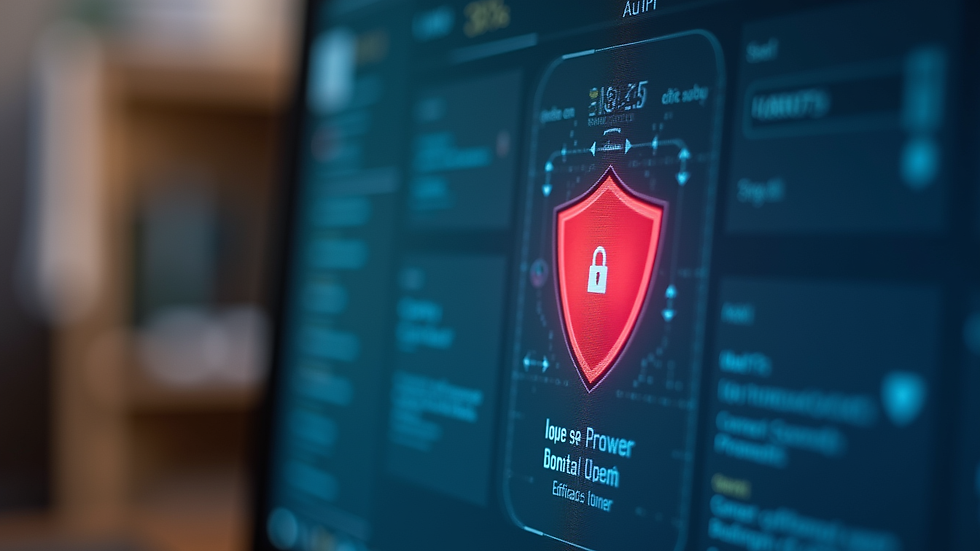
Antivirus protection refers to software designed to detect, prevent, and remove malware from computers and networks. This software acts as a shield against various types of threats, including viruses, worms, trojans, spyware, and ransomware.
How Antivirus Software Works
Antivirus programs use several methods to identify and eliminate threats:
Signature-Based Detection: This method relies on a database of known malware signatures. When a file is scanned, the antivirus compares it to this database. If a match is found, the file is flagged as malicious.
Heuristic-Based Detection: This approach analyzes the behavior of files and programs. If a file exhibits suspicious behavior, it may be flagged even if it doesn't match a known signature.
Behavioral-Based Detection: This method monitors the behavior of programs in real-time. If a program starts to act like malware, it can be quarantined or removed.
Cloud-Based Detection: Some modern antivirus solutions use cloud technology to analyze files. This allows for quicker updates and access to a broader database of threats.
The Rising Threat of Cyber Attacks
The frequency and sophistication of cyber attacks have escalated dramatically in recent years. According to a report by Cybersecurity Ventures, global cybercrime damages are expected to reach $10.5 trillion annually by 2025. This staggering figure highlights the urgency for individuals and businesses to prioritize cybersecurity measures, including antivirus protection.
Common Types of Malware
Understanding the different types of malware can help you appreciate the need for robust antivirus protection:
Viruses: These are malicious programs that attach themselves to legitimate files and spread when those files are shared.
Worms: Unlike viruses, worms can replicate themselves and spread independently across networks.
Trojans: These disguise themselves as legitimate software but can create backdoors for attackers.
Ransomware: This type of malware encrypts files and demands a ransom for their release, often causing significant financial loss.
Spyware: This software secretly monitors user activity and collects sensitive information without consent.
Why You Need Antivirus Protection
1. Protection Against Malware
The primary function of antivirus software is to protect your devices from malware. With the increasing number of threats, having a reliable antivirus solution can prevent infections that could lead to data loss or theft.
2. Safeguarding Personal Information
In a world where personal data is a valuable commodity, protecting your information is paramount. Antivirus software helps safeguard sensitive data, such as passwords, credit card numbers, and personal identification information, from cybercriminals.
3. Enhancing System Performance
Malware can slow down your computer and cause it to crash. By regularly scanning and removing malicious files, antivirus software can help maintain optimal system performance.
4. Peace of Mind
Knowing that you have antivirus protection in place allows you to browse the internet, download files, and use applications with greater confidence. This peace of mind is invaluable in today's digital landscape.
Choosing the Right Antivirus Software
With numerous antivirus solutions available, selecting the right one can be overwhelming. Here are some factors to consider:
1. Features
Look for antivirus software that offers comprehensive protection, including real-time scanning, automatic updates, and a firewall. Some programs also include additional features like VPNs, password managers, and identity theft protection.
2. User-Friendly Interface
Choose software with an intuitive interface that is easy to navigate. A complicated interface can lead to missed alerts or improper usage.
3. Customer Support
Reliable customer support is essential, especially if you encounter issues or have questions. Look for antivirus providers that offer 24/7 support through various channels.
4. Reviews and Ratings
Research user reviews and expert ratings to gauge the effectiveness of different antivirus solutions. Websites like AV-Test and PCMag provide detailed comparisons and recommendations.
Best Practices for Using Antivirus Software
Having antivirus protection is only part of the equation. Here are some best practices to maximize your security:
1. Keep Software Updated
Regularly update your antivirus software to ensure it has the latest virus definitions and security patches. Many programs offer automatic updates, which can simplify this process.
2. Perform Regular Scans
Schedule regular scans of your system to detect and remove any potential threats. Most antivirus software allows you to set up automatic scans at convenient times.
3. Be Cautious with Downloads
Only download files and applications from trusted sources. Be wary of email attachments and links from unknown senders, as these can often contain malware.
4. Use Strong Passwords
Combine your antivirus protection with strong, unique passwords for your accounts. Consider using a password manager to help you keep track of them.
5. Educate Yourself
Stay informed about the latest cybersecurity threats and trends. Understanding the tactics used by cybercriminals can help you avoid falling victim to their schemes.
The Cost of Not Having Antivirus Protection
The consequences of neglecting antivirus protection can be severe. A single malware infection can lead to:
Data Loss: Important files may be deleted or encrypted, resulting in irretrievable data.
Financial Loss: Ransomware attacks can demand hefty sums, while identity theft can lead to significant financial repercussions.
Reputation Damage: For businesses, a data breach can damage customer trust and lead to loss of business.
Legal Consequences: Failing to protect sensitive data can result in legal action and fines, especially for businesses that handle personal information.
Conclusion
In a world where cyber threats are ever-present, investing in antivirus protection is essential for safeguarding your digital life. By understanding the importance of antivirus software, choosing the right solution, and following best practices, you can significantly reduce your risk of falling victim to cyber attacks. Remember, the cost of prevention is always less than the cost of recovery. Take action today to protect yourself and your data.
By prioritizing antivirus protection, you not only secure your devices but also gain peace of mind in an increasingly digital world. Don't wait for an attack to happen; be proactive and ensure your online safety.

Comments